
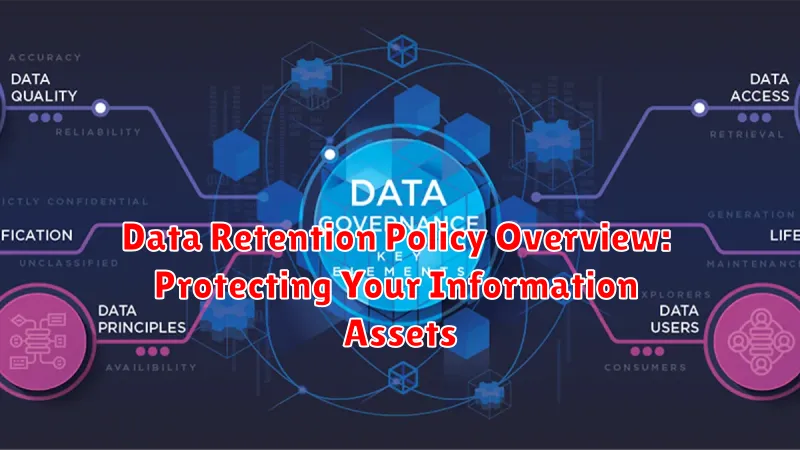
In today’s data-driven world, a robust Data Retention Policy is not merely a best practice; it’s a critical component of responsible information management. Organizations of all sizes, across all industries, must implement clear guidelines defining how long data is preserved and when it’s securely disposed of. This overview delves into the essential elements of a comprehensive Data Retention Policy, emphasizing the importance of protecting your valuable information assets while adhering to legal and regulatory requirements. We’ll explore the principles guiding effective data lifecycle management, ensuring compliance and mitigating potential risks associated with excessive data retention.
This article provides a foundational understanding of Data Retention Policies, exploring their core principles and practical applications. We will examine the key considerations for developing and implementing a policy that aligns with your organization’s specific needs and objectives. Understanding the legal landscape surrounding data privacy and retention is crucial, and this overview will highlight relevant regulations and industry standards. By effectively managing your data, you can enhance operational efficiency, reduce storage costs, improve data security, and safeguard your organization’s reputation.
What is a Data Retention Policy?
A Data Retention Policy is a formal, documented guideline that outlines how long an organization should keep specific types of information. It defines the lifecycle of data within the organization, from its creation or acquisition to its eventual deletion or archival.
The policy serves as a roadmap for managing information effectively, ensuring that data is retained for as long as it is needed for business, legal, or regulatory purposes, and then securely disposed of when it is no longer required.
Key aspects typically addressed within a data retention policy include:
- Data categorization: Identifying different types of data and their corresponding retention periods.
- Retention schedules: Specifying the duration for which each data type must be retained.
- Storage locations: Defining where data should be stored during its lifecycle.
- Disposal methods: Describing the secure methods for deleting or archiving data.
Why is a Data Retention Policy Important?
A well-defined data retention policy is crucial for numerous reasons, impacting both compliance and operational efficiency.
Firstly, it helps organizations meet legal and regulatory requirements. Many industries are subject to specific data retention mandates, and failure to comply can result in substantial fines and legal repercussions.
Secondly, a data retention policy mitigates risks associated with data breaches and litigation. By securely disposing of data that is no longer needed, organizations reduce their attack surface and minimize potential liability.
Thirdly, it contributes to cost savings. Storing unnecessary data consumes valuable storage space, which translates into increased infrastructure costs. An effective policy ensures that resources are used efficiently.
Finally, a data retention policy supports improved data quality and decision-making. By retaining only relevant and accurate data, organizations can enhance their analytical capabilities and derive more meaningful insights.
Key Elements of a Comprehensive Data Retention Policy
A robust data retention policy comprises several critical elements to ensure effective information governance and compliance. These elements provide a structured framework for managing data throughout its lifecycle.
- Data Classification: Categorizing data based on sensitivity, legal requirements, and business value is fundamental. This allows for tailored retention periods.
- Retention Periods: Clearly defined timelines for retaining specific data types. These periods should be legally defensible and align with business needs.
- Data Storage Locations: Identifying where data is stored (e.g., servers, cloud storage, physical archives) is crucial for consistent application of the policy.
- Data Disposal Procedures: Secure and documented methods for permanently deleting data that has reached its retention period. This includes specifying acceptable destruction methods.
- Policy Roles and Responsibilities: Assigning accountability for implementing and monitoring the policy ensures its effectiveness.
- Exceptions Process: A formal process for requesting deviations from the standard retention periods, with clear justification and approval requirements.
By incorporating these elements, organizations can establish a clear and enforceable data retention policy.
Legal and Regulatory Compliance Considerations

A robust data retention policy is critically shaped by legal and regulatory requirements. Organizations must meticulously consider various laws and industry regulations that dictate how long specific data types must be retained.
Failure to comply can result in significant financial penalties, legal liabilities, and reputational damage. Examples of relevant regulations include:
- General Data Protection Regulation (GDPR): Governing the data protection and privacy of individuals within the European Union.
- California Consumer Privacy Act (CCPA): Enhancing privacy rights and consumer protection for California residents.
- Health Insurance Portability and Accountability Act (HIPAA): Protecting sensitive patient health information.
- Sarbanes-Oxley Act (SOX): Mandating specific financial record-keeping practices for publicly traded companies.
Organizations must conduct a thorough compliance audit to identify all applicable legal and regulatory obligations. The data retention policy should then be designed to meet or exceed these minimum requirements, ensuring ongoing compliance and minimizing legal risks.
Developing a Data Retention Schedule
Creating a data retention schedule is a crucial step in implementing your data retention policy. This schedule outlines specific retention periods for different types of data, ensuring consistent application of the policy across the organization.
Key Considerations for the Schedule:
- Data Type: Categorize data (e.g., financial records, customer data, employee records) based on its nature and sensitivity.
- Legal Requirements: Identify legal and regulatory requirements dictating minimum retention periods for specific data types.
- Business Needs: Determine how long the data is needed for ongoing business operations, analysis, and reporting.
- Storage Capacity: Balance retention needs with available storage capacity and cost considerations.
The schedule should clearly define the start date for the retention period (e.g., date of creation, last modification date) and the disposal method once the retention period expires (e.g., secure deletion, archival). Regular review and updates to the schedule are essential to ensure its continued relevance and effectiveness.
Implementing Your Data Retention Policy
Implementing your data retention policy is a critical step in ensuring its effectiveness. This phase translates the documented policy into actionable procedures and integrates them into daily operations.
Key Steps in Implementation:
- Communication and Training: Ensure all employees are aware of the policy and understand their roles and responsibilities. Conduct training sessions to explain the policy’s requirements and procedures.
- System Configuration: Configure IT systems and applications to automatically enforce retention rules. This includes setting up deletion schedules, archiving procedures, and access controls.
- Monitoring and Enforcement: Implement mechanisms to monitor compliance with the policy. This may involve regular audits and reporting to identify and address any deviations.
- Documentation: Maintain comprehensive records of all data retention and disposal activities. This documentation is crucial for demonstrating compliance and supporting legal defensibility.
Successful implementation requires a collaborative effort involving legal, IT, and business stakeholders. Regular monitoring and adjustments are essential to ensure the policy remains effective and aligned with organizational needs.
Best Practices for Data Retention and Disposal
Effective data retention and disposal are crucial for minimizing risks, optimizing storage, and ensuring compliance. Implement these best practices to streamline your processes:
- Classify Data: Categorize data based on sensitivity and legal requirements to determine retention periods.
- Define Retention Periods: Establish clear timelines for keeping different types of data, documented in your retention schedule.
- Secure Disposal Methods: Use methods like secure wiping or physical destruction to prevent unauthorized access to disposed data.
- Document Disposal: Keep records of data disposal activities, including dates, methods, and responsible parties.
- Regularly Review and Update: Periodically assess and update your retention and disposal policies to adapt to changing regulations and business needs.
Adhering to these practices will help your organization maintain a defensible position in the event of litigation or audit.
Tools and Technologies for Data Retention Management
Efficient data retention management relies on the strategic implementation of various tools and technologies. These solutions automate and streamline processes, ensuring compliance and optimizing storage resources.
Key Tools and Technologies:
- Data Archiving Software: Moves infrequently accessed data to less expensive storage tiers.
- Information Lifecycle Management (ILM) Systems: Automates the management of data throughout its lifecycle, from creation to disposal.
- Data Loss Prevention (DLP) Solutions: Prevent sensitive data from leaving the organization, aiding in compliance.
- Records Management Systems: Manage and control documents and records according to retention policies.
- Cloud Storage Solutions: Offer scalable and cost-effective storage options with built-in retention features.
The selection of appropriate tools depends on factors such as data volume, retention requirements, and budget constraints. Careful evaluation and implementation are crucial for success.
Auditing and Reviewing Your Data Retention Policy
Regular auditing and review are critical to ensure your data retention policy remains effective and compliant with evolving legal and business requirements. An audit assesses whether the policy is being followed, while a review evaluates the policy’s ongoing suitability.
Key Steps in Auditing and Reviewing:
- Establish a Schedule: Conduct audits and reviews at predefined intervals (e.g., annually or bi-annually).
- Define the Scope: Specify the data, systems, and processes to be included in the audit.
- Gather Evidence: Collect relevant documentation, logs, and employee records to verify compliance.
- Analyze Findings: Identify any gaps, inconsistencies, or non-compliance issues.
- Implement Corrective Actions: Develop and execute a plan to address identified deficiencies.
- Update the Policy: Revise the data retention policy based on audit findings and changes in legal or business needs.
Document the entire audit and review process, including findings, recommendations, and corrective actions taken. This documentation serves as evidence of due diligence and can be valuable in the event of a legal inquiry or data breach.
The Impact of Data Retention on Storage Management
Effective data retention policies significantly impact storage management. Poorly defined retention periods lead to unnecessary data accumulation, consuming valuable storage resources and increasing storage costs.
By implementing a well-defined retention schedule, organizations can optimize storage utilization. This involves identifying and archiving or deleting data that is no longer needed, freeing up space for current and relevant information.
Here’s how data retention directly affects storage:
- Reduced Storage Costs: Efficient retention minimizes the need for expensive storage upgrades.
- Improved Performance: Less data to manage means faster access and retrieval times.
- Simplified Data Management: A streamlined data environment is easier to manage and maintain.
Organizations should consider a tiered storage approach, moving older, less frequently accessed data to cheaper storage options to further optimize costs.
