
In the dynamic landscape of Software as a Service (SaaS), maintaining robust security and ensuring stringent compliance are paramount. A critical component in achieving these objectives is the effective utilization of audit logs. This comprehensive guide, “Understanding Audit Logs in SaaS: A Comprehensive Guide for Enhanced Security and Compliance,” is designed to provide a thorough understanding of audit logs, their significance, and how they can be leveraged to enhance your organization’s security posture and meet regulatory requirements. The information presented is relevant globally, applicable across various industries regardless of geographical location.
This article delves into the intricacies of audit logs, exploring their role in tracking user activity, identifying potential security breaches, and facilitating compliance audits. We will explore what constitutes an audit log, the types of information typically captured, and the benefits of implementing a robust audit log management system. Furthermore, we will examine best practices for analyzing audit logs to proactively detect and respond to threats, ensuring the confidentiality, integrity, and availability of your valuable data within the SaaS environment. Finally, understand how audit logs assist with GDPR, HIPAA, SOC 2, and other regulations globally.
What is an Audit Log in SaaS?
In the context of Software as a Service (SaaS), an audit log is a chronological record of events and activities occurring within a SaaS application or platform. It serves as a comprehensive trail, meticulously documenting user actions, system operations, and modifications made to data. Think of it as a digital ledger that captures the “who, what, when, and where” of important occurrences within the SaaS environment.
Essentially, an audit log provides a detailed account of:
- User activities: Logins, logouts, access attempts, data modifications, permission changes.
- System events: System startups, shutdowns, errors, configuration changes.
- Data access: When data was viewed, created, updated, or deleted.
The primary function of an audit log is to provide a clear and verifiable record of events, facilitating security monitoring, compliance adherence, forensic investigations, and overall system transparency.
Why are Audit Logs Important for SaaS Applications?
Audit logs are critical for SaaS applications due to their multifaceted benefits spanning security, compliance, and operational efficiency. They provide a comprehensive record of user activities, system events, and data modifications within the application.
Firstly, audit logs significantly enhance security. By tracking user logins, access attempts, and data changes, they enable the quick detection of suspicious or unauthorized activities. This allows for timely intervention to prevent data breaches or malicious attacks.
Secondly, audit logs are essential for compliance with various regulatory requirements, such as GDPR, HIPAA, and SOC 2. They provide evidence of adherence to security and data privacy policies, which is crucial during audits and assessments.
Finally, audit logs aid in operational improvements by providing insights into user behavior and system performance. This information can be used to optimize application workflows, identify areas for improvement, and enhance the overall user experience.
Key Components of an Effective SaaS Audit Log
An effective SaaS audit log is not just a record; it’s a comprehensive system designed for security and compliance. Several key components must be present to ensure its utility.
Key components:
- User Identification: Accurately identify the user associated with each event.
- Timestamp: Record the precise date and time of each event.
- Event Description: Clearly describe the action that occurred (e.g., login, data modification).
- Data Affected: Identify any data objects that were created, read, updated, or deleted.
- IP Address: Log the IP address from which the event originated.
- Success/Failure Status: Indicate whether the event was successful or resulted in an error.
The inclusion of these elements ensures a robust audit log capable of providing a clear and detailed record of activities within the SaaS environment, thereby enhancing security monitoring and compliance efforts. Format should be consistent, and easily parsable.
Benefits of Implementing Audit Logs in SaaS
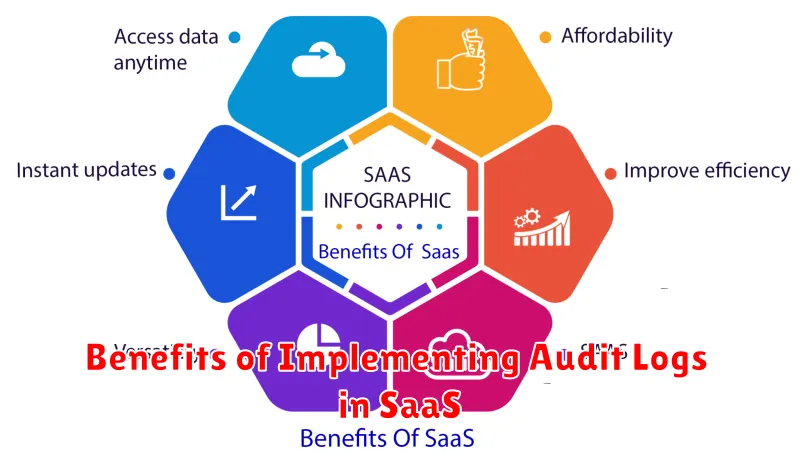
Implementing audit logs in a SaaS environment provides numerous advantages, primarily related to security, compliance, and operational efficiency.
Here are some key benefits:
- Enhanced Security: Audit logs offer a detailed record of user activities and system events, allowing for the quick identification and investigation of security breaches or suspicious behavior.
- Improved Compliance: Many regulatory standards, such as HIPAA, GDPR, and SOC 2, require robust audit trails. Implementing audit logs helps SaaS providers meet these compliance requirements.
- Streamlined Troubleshooting: By providing a comprehensive history of system events, audit logs can significantly simplify the process of diagnosing and resolving technical issues.
- Increased Accountability: Audit logs promote accountability by providing a clear record of who did what, when, and how. This can deter malicious activity and improve overall security posture.
- Data-Driven Insights: Analysis of audit log data can reveal valuable insights into user behavior, system performance, and potential security vulnerabilities. This information can be used to improve the SaaS platform and enhance the user experience.
How to Implement Audit Logging in Your SaaS Platform
Implementing audit logging in your SaaS platform requires a strategic approach, focusing on capturing relevant events without compromising performance. Begin by identifying the key user actions and system events that warrant tracking, such as login attempts, data modifications, permission changes, and administrative activities.
Next, select an appropriate audit logging mechanism. This could involve integrating with existing logging frameworks, leveraging cloud provider audit trails (e.g., AWS CloudTrail, Azure Monitor), or developing a custom logging solution. Ensure that the chosen solution can handle the expected volume of log data and provides sufficient storage capacity.
Configure your platform to generate audit events for the identified actions and events. These events should include relevant details such as the timestamp, user ID, event type, affected resources, and any associated data. Implement a secure and reliable log storage system, employing encryption and access controls to protect the integrity and confidentiality of the audit logs.
Best Practices for Managing and Monitoring SaaS Audit Logs
Effective management and monitoring of SaaS audit logs are crucial for maintaining a secure and compliant environment. Implementing robust strategies ensures that potential security breaches are identified promptly and appropriate actions are taken.
Establish Clear Retention Policies
Define specific retention periods for audit logs based on regulatory requirements and internal security policies. Regularly review and update these policies to align with evolving business needs and legal obligations.
Implement Automated Monitoring and Alerting
<
Utilize security information and event management (SIEM) systems or other monitoring tools to automatically analyze audit log data. Configure alerts for suspicious activities, such as unauthorized access attempts or data modifications.
Regularly Review Audit Log Data
Conduct periodic manual reviews of audit logs to identify anomalies or trends that automated systems might miss. Focus on critical events and user activities that pose a higher risk.
Secure Audit Log Storage
Ensure that audit logs are stored in a secure and tamper-proof environment. Implement access controls to restrict access to authorized personnel only. Consider encrypting audit log data to protect its confidentiality.
Common Use Cases for Audit Logs in SaaS Environments
Audit logs in SaaS environments serve a multitude of critical purposes beyond simple record-keeping. They are instrumental in maintaining security, ensuring compliance, and facilitating operational efficiency.
Security Incident Investigation
Audit logs are crucial when investigating security breaches or suspicious activities. They provide a detailed timeline of events, helping to identify the source and scope of the incident.
Compliance Reporting
Many regulatory frameworks, such as HIPAA, GDPR, and SOC 2, require comprehensive audit trails. Audit logs provide the necessary documentation to demonstrate compliance.
User Activity Monitoring
Tracking user actions, such as logins, data access, and configuration changes, allows for proactive identification of potential security threats or policy violations.
Troubleshooting and Debugging
Audit logs can be invaluable for debugging and troubleshooting application issues. They provide insights into the sequence of events leading up to an error, aiding in root cause analysis.
Data Governance
Audit logs support data governance efforts by tracking data access, modification, and deletion, ensuring data integrity and preventing unauthorized data manipulation.
The Role of Audit Logs in SaaS Compliance and Security
Audit logs are critical in SaaS compliance and security. They provide a detailed record of activities within the SaaS environment, enabling organizations to demonstrate adherence to various regulatory requirements such as HIPAA, GDPR, SOC 2, and others.
These logs serve as evidence that the SaaS provider and its users are following established policies and procedures. In case of a security breach or compliance audit, audit logs help identify the root cause of the incident, assess the extent of the damage, and implement corrective measures.
Furthermore, audit logs facilitate the investigation of suspicious activities, helping to detect and prevent unauthorized access, data modification, or deletion. By monitoring audit logs, organizations can proactively identify potential security threats and vulnerabilities, thereby strengthening their overall security posture and maintaining compliance with relevant regulations.
Tools and Technologies for SaaS Audit Logging
Implementing effective audit logging requires the right tools and technologies. A variety of solutions cater to different needs and scales, ensuring comprehensive tracking and analysis.
Log Management Systems
These systems centralize log data from various sources, providing a unified view. Examples include Splunk, ELK Stack (Elasticsearch, Logstash, Kibana), and Sumo Logic.
Security Information and Event Management (SIEM)
SIEM solutions enhance security by analyzing audit logs for suspicious activities and potential threats. Prominent SIEM tools include IBM QRadar, McAfee Enterprise Security Manager, and LogRhythm.
Cloud-Native Logging Services
Cloud providers offer built-in logging services tailored to their platforms. AWS CloudTrail, Azure Monitor, and Google Cloud Logging are examples of these services. These tools offer seamless integration within their respective cloud ecosystems.
Future Trends in SaaS Audit Logging
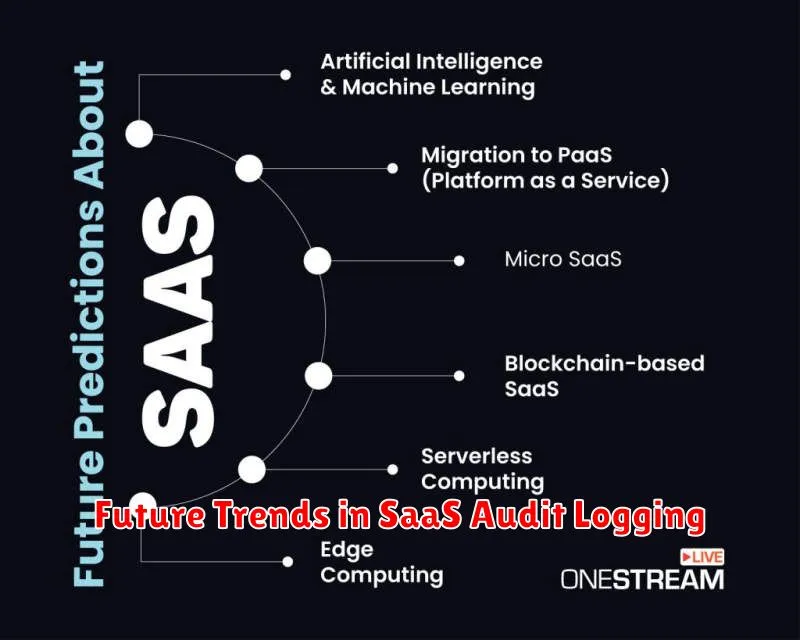
The landscape of SaaS audit logging is continually evolving, driven by advancements in technology and the ever-increasing sophistication of cyber threats. Several key trends are expected to shape the future of audit logging in SaaS environments.
Artificial Intelligence (AI) and Machine Learning (ML) will play an increasingly important role in automating anomaly detection within audit logs. These technologies can analyze vast amounts of data to identify suspicious activities and potential security breaches with greater accuracy and speed than traditional methods.
Enhanced Integration with other security tools and platforms will become more prevalent. This includes seamless integration with SIEM (Security Information and Event Management) systems, threat intelligence platforms, and incident response tools to provide a more holistic security posture.
Real-time Monitoring and Analysis capabilities will be enhanced, allowing for immediate detection and response to security incidents. This involves moving beyond batch processing of logs to continuous monitoring and analysis.
Emphasis on User and Entity Behavior Analytics (UEBA) will increase, enabling a deeper understanding of user activities and the identification of unusual or malicious behaviors based on historical data.
Finally, expect a greater focus on standardization and interoperability to facilitate easier data sharing and analysis across different SaaS applications and environments.
