
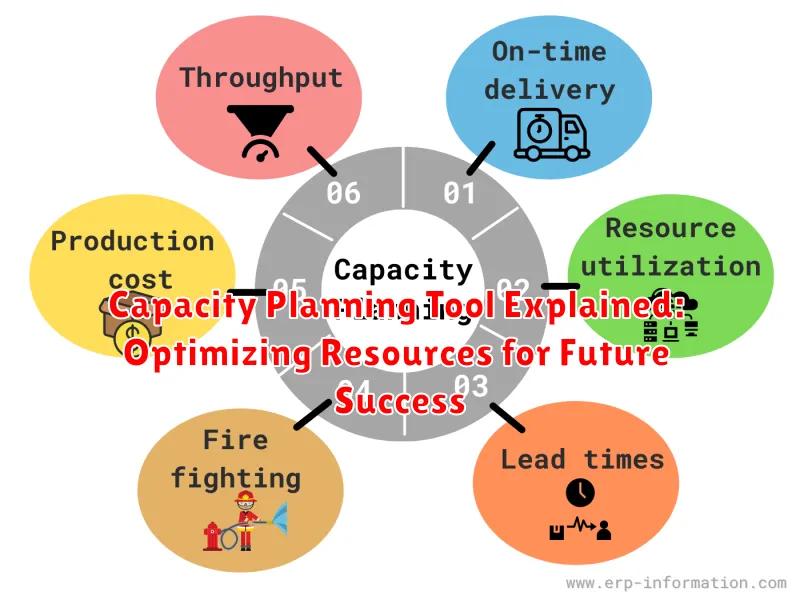
In today’s dynamic business environment, effective resource allocation is critical for sustained growth and success. Capacity planning is the proactive process of determining the resources required to meet future demand. This involves analyzing existing resources, forecasting future needs, and identifying any potential gaps. A well-executed capacity planning strategy allows organizations to optimize resource utilization, minimize operational costs, and ensure seamless service delivery, ultimately leading to increased profitability and customer satisfaction. To facilitate this complex process, capacity planning tools have emerged as essential solutions.
This article delves into the world of capacity planning tools, exploring their functionalities, benefits, and how they empower organizations to make informed decisions regarding their resource allocation. We will provide a comprehensive explanation of how these tools assist in predicting future capacity requirements, managing infrastructure effectively, and avoiding costly over- or under-provisioning. Discover how a strategically implemented capacity planning tool can become a pivotal asset, driving operational efficiency and paving the way for future success across diverse industries and organizational sizes by optimizing resources effectively.
What is Capacity Planning?
Capacity planning is a crucial business practice that involves determining the production capacity needed by an organization to meet changing demands for its products or services. The primary goal is to ensure that the business has sufficient resources to fulfill future customer requirements without overspending or underutilizing assets.
It encompasses a broad range of considerations, including:
- Infrastructure: Evaluating the adequacy of hardware, software, and network resources.
- Personnel: Assessing staffing levels and skills required to support operations.
- Financial Resources: Projecting budgets needed to acquire and maintain necessary resources.
Effective capacity planning allows organizations to proactively address potential bottlenecks, optimize resource allocation, and ultimately, enhance overall business performance. It bridges the gap between projected demand and available resources, ensuring sustainable growth and operational efficiency.
Key Components of Capacity Planning
Effective capacity planning involves several key components that work together to ensure optimal resource allocation and prevent bottlenecks. Understanding these components is crucial for successful implementation.
- Demand Forecasting: Accurately predicting future demand for services or products. This involves analyzing historical data, market trends, and other relevant factors.
- Resource Assessment: Evaluating the current capacity of existing resources, including hardware, software, personnel, and infrastructure.
- Gap Analysis: Identifying the difference between current capacity and projected demand. This highlights potential resource shortages or surpluses.
- Capacity Alternatives: Exploring various options for addressing capacity gaps, such as adding new resources, optimizing existing ones, or outsourcing certain functions.
- Capacity Plan Development: Creating a detailed plan that outlines the specific actions needed to meet future demand, including timelines, budgets, and responsibilities.
- Monitoring and Adjustment: Continuously monitoring capacity utilization and making adjustments to the plan as needed to ensure it remains aligned with actual demand.
By focusing on these core components, organizations can effectively manage their resources and ensure they are well-prepared for future growth and change.
Benefits of Using a Capacity Planning Tool
Implementing a capacity planning tool offers significant advantages for organizations aiming to optimize resource allocation and ensure future success. These benefits span improved resource utilization, enhanced operational efficiency, and proactive risk mitigation.
One of the primary benefits is the ability to predict future resource needs. By analyzing historical data and projecting future demands, a capacity planning tool enables organizations to proactively allocate resources, avoiding shortages or over-provisioning. This leads to substantial cost savings and optimized investments.
Furthermore, these tools facilitate improved decision-making. With clear visibility into current and future capacity, stakeholders can make informed choices regarding infrastructure upgrades, software deployments, and staffing levels. This proactive approach minimizes downtime, enhances service delivery, and ultimately improves customer satisfaction. A well-implemented capacity planning tool contributes to a more resilient and efficient IT infrastructure.
Types of Capacity Planning Tools Available
Various capacity planning tools cater to different organizational needs and technical environments. Choosing the right tool is crucial for effective resource management.
Spreadsheet-Based Tools
These tools utilize software like Microsoft Excel or Google Sheets. They are generally suitable for smaller organizations with simpler infrastructures, offering flexibility and customization.
Dedicated Capacity Planning Software
Specialized software solutions offer advanced features like predictive analytics, automated reporting, and integration with other IT management systems. They provide a more comprehensive approach to capacity planning and are often preferred by larger enterprises.
Cloud-Based Capacity Planning Tools
These tools are hosted in the cloud, offering scalability and accessibility. They often integrate with cloud infrastructure platforms and provide real-time monitoring and analysis of resource utilization.
Performance Monitoring Tools with Capacity Planning Features
Some performance monitoring tools incorporate capacity planning functionalities, providing insights into resource usage and identifying potential bottlenecks. These tools offer a holistic view of system performance and capacity needs.
Features to Look for in a Capacity Planning Tool
Selecting the right capacity planning tool is crucial for effectively managing resources and anticipating future needs. Here are some essential features to consider:
Key Features:
- Forecasting Capabilities: Accurate prediction of future resource demands based on historical data and trends.
- Resource Monitoring: Real-time visibility into resource utilization across different systems and applications.
- Alerting and Thresholds: Configurable alerts to notify administrators when resource usage exceeds predefined thresholds.
- Reporting and Analytics: Comprehensive reporting features to analyze resource performance, identify bottlenecks, and track capacity trends.
- Scalability: The ability to handle increasing volumes of data and growing complexity as the organization expands.
- Integration Capabilities: Seamless integration with existing IT infrastructure and management systems.
- User-Friendly Interface: An intuitive and easy-to-navigate interface for efficient operation.
Prioritizing these features will help ensure that the chosen tool meets the specific capacity planning needs of the organization.
How to Implement a Capacity Planning Tool
Implementing a capacity planning tool requires a structured approach to ensure its effectiveness and alignment with organizational goals. Start by defining clear objectives and key performance indicators (KPIs) to measure the tool’s success.
Next, gather comprehensive data on current resource utilization, historical trends, and future demand forecasts. This data will form the foundation for accurate capacity planning.
Configure the tool based on your organization’s specific needs and integrate it with existing IT infrastructure and monitoring systems. Ensure proper training is provided to the team responsible for using and maintaining the tool.
Finally, regularly monitor and review the tool’s performance, making adjustments as needed to optimize its effectiveness and ensure it continues to meet evolving business requirements.
Capacity Planning Tool Best Practices
To maximize the effectiveness of a capacity planning tool, adhering to best practices is crucial. These practices ensure accurate forecasts, efficient resource allocation, and proactive problem-solving.
Regularly Review and Update Data
Ensure the data used by the tool is current and accurate. This includes historical performance data, future demand forecasts, and resource availability. Regular updates prevent inaccuracies that can lead to poor capacity planning decisions.
Involve Key Stakeholders
Engage relevant stakeholders from different departments, such as IT, finance, and operations. Their input provides a comprehensive view of the organization’s needs and constraints. Collaborative planning leads to more realistic and effective capacity plans.
Monitor Performance and Adjust Plans
Continuously monitor actual performance against planned capacity. Identify deviations and adjust the capacity plan accordingly. This iterative approach allows for continuous improvement and ensures that the organization’s resources are aligned with its evolving needs.
Automate Where Possible
Leverage the automation capabilities of the capacity planning tool to streamline data collection, analysis, and reporting. Automation reduces manual effort, minimizes errors, and frees up resources for more strategic tasks.
Common Challenges in Capacity Planning
Capacity planning, while crucial for organizational success, often presents several challenges. Addressing these proactively is essential for effective resource management.
- Data Accuracy and Forecasting: Relying on inaccurate or incomplete data leads to flawed forecasts and ineffective planning. The quality of input data significantly impacts the reliability of predictions.
- Dynamic Environments: Rapid changes in technology, market conditions, and business demands can quickly render capacity plans obsolete. Maintaining agility is vital.
- Siloed Information: Lack of communication and data sharing between different departments can result in fragmented capacity plans that don’t align with overall business goals.
- Resistance to Change: Employees may resist adopting new capacity planning tools or processes, leading to implementation challenges.
- Complexity: Complex IT environments and business processes can make capacity planning inherently difficult, requiring specialized expertise and sophisticated tools.
Integrating Capacity Planning with Other IT Processes
Capacity planning does not operate in isolation. Its effectiveness is greatly enhanced when integrated with other IT processes. This integration ensures a cohesive and efficient approach to managing IT resources.
Here are key integrations to consider:
- IT Service Management (ITSM): Integrating with ITSM platforms allows capacity planning to respond to service requests and incidents efficiently.
- Change Management: Understanding the impact of planned changes on resource utilization is crucial. Integration ensures adequate capacity for new deployments.
- Disaster Recovery (DR): Capacity planning must account for failover scenarios and ensure sufficient resources are available in the event of a disaster.
- Financial Planning: Aligning capacity plans with budget forecasts allows for proactive resource allocation and cost management.
By integrating these processes, organizations can make informed decisions and optimize resource utilization across the entire IT landscape.
Future Trends in Capacity Planning Tools
The landscape of capacity planning tools is continuously evolving, driven by technological advancements and changing business needs. Several key trends are shaping the future of these tools.
Artificial Intelligence (AI) and Machine Learning (ML) are becoming increasingly integrated into capacity planning. AI and ML algorithms can analyze vast datasets to predict future resource demands with greater accuracy, automating many aspects of the planning process.
Cloud-Based Solutions offer scalability and flexibility, allowing organizations to easily adjust their resource allocation based on real-time needs. This trend is expected to continue, with more capacity planning tools being offered as Software-as-a-Service (SaaS).
Real-time Analytics and Monitoring are crucial for proactive capacity management. Future tools will likely offer more sophisticated real-time monitoring capabilities, enabling businesses to identify and address potential resource bottlenecks before they impact performance.
Integration with DevOps and Automation: Capacity planning will become more tightly integrated with DevOps workflows, facilitating automated resource provisioning and scaling based on application performance.
